Out-of-Hours Emergency Plumber London: Our Technical Response Protocol
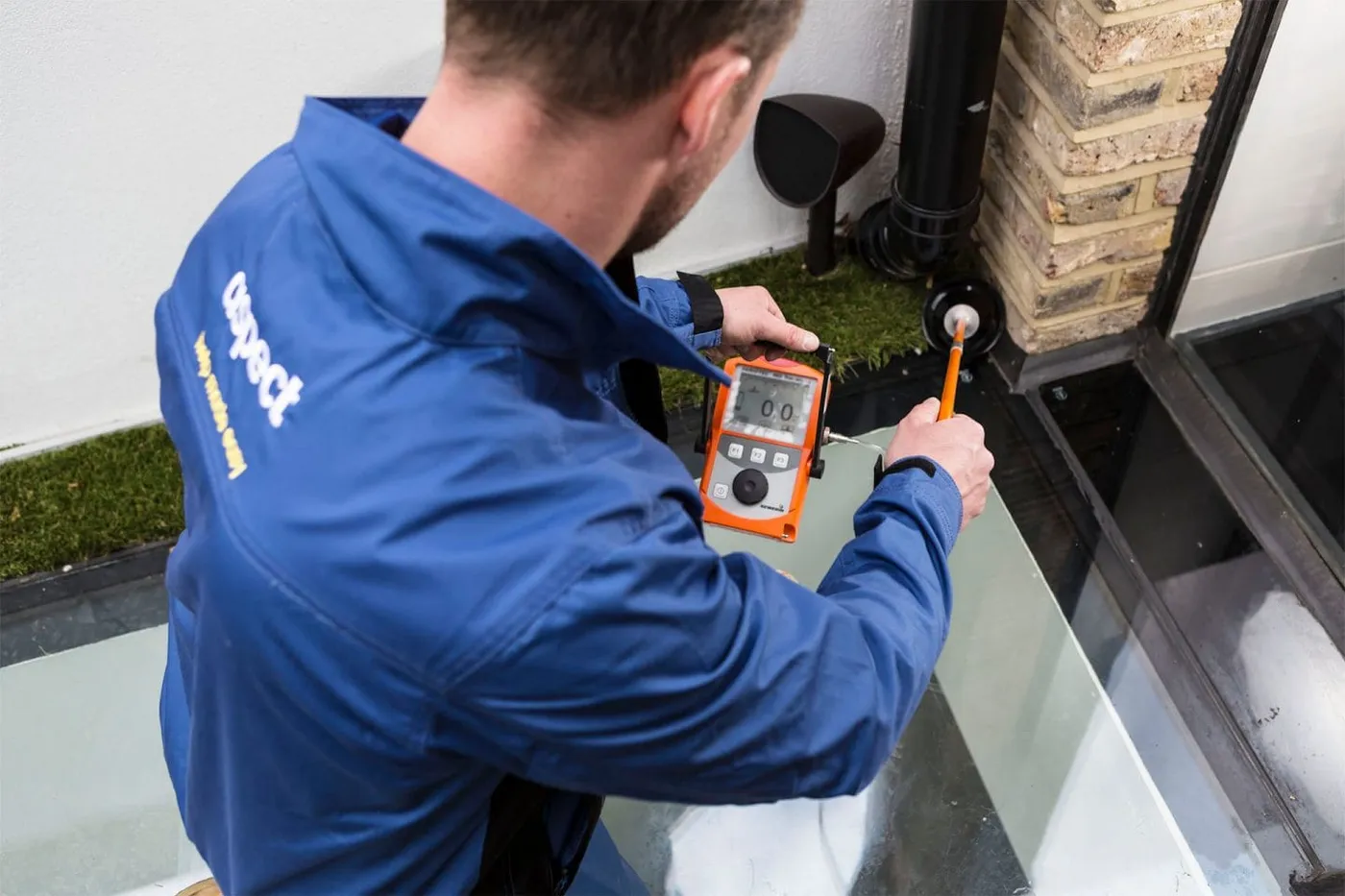
We detail our structured technical response for out-of-hours plumbing emergencies in London, focusing on precision leak location methodologies for property managers.
Structured Technical Response for Critical Hours
When an emergency call is logged outside standard business hours, our London-based engineers initiate a structured technical response protocol. The primary objective is to achieve a rapid yet precise system diagnosis to mitigate water damage and restore safety. Our approach prioritises the identification of the leak source or system failure point before any invasive work begins. This forensic methodology, grounded in general plumbing principles, allows for targeted repairs that address the root cause, not just the symptom, which is critical for preventing repeat incidents in commercial and landlord-managed properties.
Forensic Leak Detection Methodology
Our engineers are equipped with a suite of non-invasive detection technologies to locate leaks with minimal disruption. Acoustic listening devices amplify the sound of water escaping under pressure from pipes within walls or beneath floors, allowing for precise pinpointing. For more complex scenarios, such as leaks under solid concrete slabs, we employ tracer gas detection. An inert, non-toxic gas is introduced into the pipework; specialised sensors then detect its escape path through the substrate, accurately identifying the breach location without unnecessary excavation.
Thermal imaging cameras provide another layer of diagnostic precision. By detecting subtle temperature differences in building materials caused by escaping water, these cameras can visualise the extent of saturation behind walls or in ceiling voids. This data is crucial for landlords and commercial facility managers, as it maps the full impact zone for restoration work, informing drying strategies and repair scopes. This multi-sensor approach ensures a high degree of confidence in our diagnosis before any repair action is taken.
System Isolation and Containment Procedures
Upon arrival, our engineers’ first technical action is often system isolation. This involves locating and operating the relevant stop taps, zone valves, or internal isolators to contain the water release and prevent further damage. In complex commercial buildings, this requires an understanding of manifold systems and zoning. We then implement immediate containment measures, which may include deploying extraction pumps and air movers to begin stabilising the environment. This systematic containment is a foundational step in our emergency protocol, protecting the asset’s structure and fabric.
Post-Emergency Technical Reporting
For our landlord and commercial clients, the technical engagement extends beyond the immediate repair. We provide a detailed report outlining the failure mechanism identified, the detection methods employed, and the remedial actions taken. This document serves as a critical record for property maintenance files and can inform future preventative strategies. It includes general observations on the condition of associated pipework and recommendations for monitoring or upgrades, such as installing leak prevention systems or scheduling CCTV drain surveys for waste lines. This thorough documentation supports long-term asset management and risk mitigation.
Our out-of-hours emergency response is designed to combine urgent action with engineering precision. By applying a methodical, technology-driven approach from the first call, we aim to resolve the immediate crisis while providing the diagnostic clarity necessary for informed, long-term property management decisions in London's demanding built environment.
Frequently asked questions
What detection technologies do you use for hidden leaks during an emergency call-out?
We deploy a combination of acoustic listening devices, thermal imaging cameras, and tracer gas detection equipment. The choice depends on the suspected leak location and construction; acoustic is used for pressurised pipework, thermal for visualising moisture spread, and tracer gas for leaks under slabs or in complex voids.
How do you minimise disruption when locating a leak in a commercial property out-of-hours?
Our primary method is non-invasive detection. We use the technologies above to pinpoint the leak source accurately before any physical opening of walls or floors. This precision allows for a single, targeted access point, drastically reducing the extent of remedial work and reinstatement needed.
Do you provide documentation following an emergency plumbing repair?
Yes. We supply a technical report detailing the diagnosed fault, the detection methods used, the repair conducted, and any observed conditions of related systems. This is essential for landlord compliance records and for informing future preventative maintenance planning.