Leak Detection Specialist vs. Plumber: Understanding the Key Differences
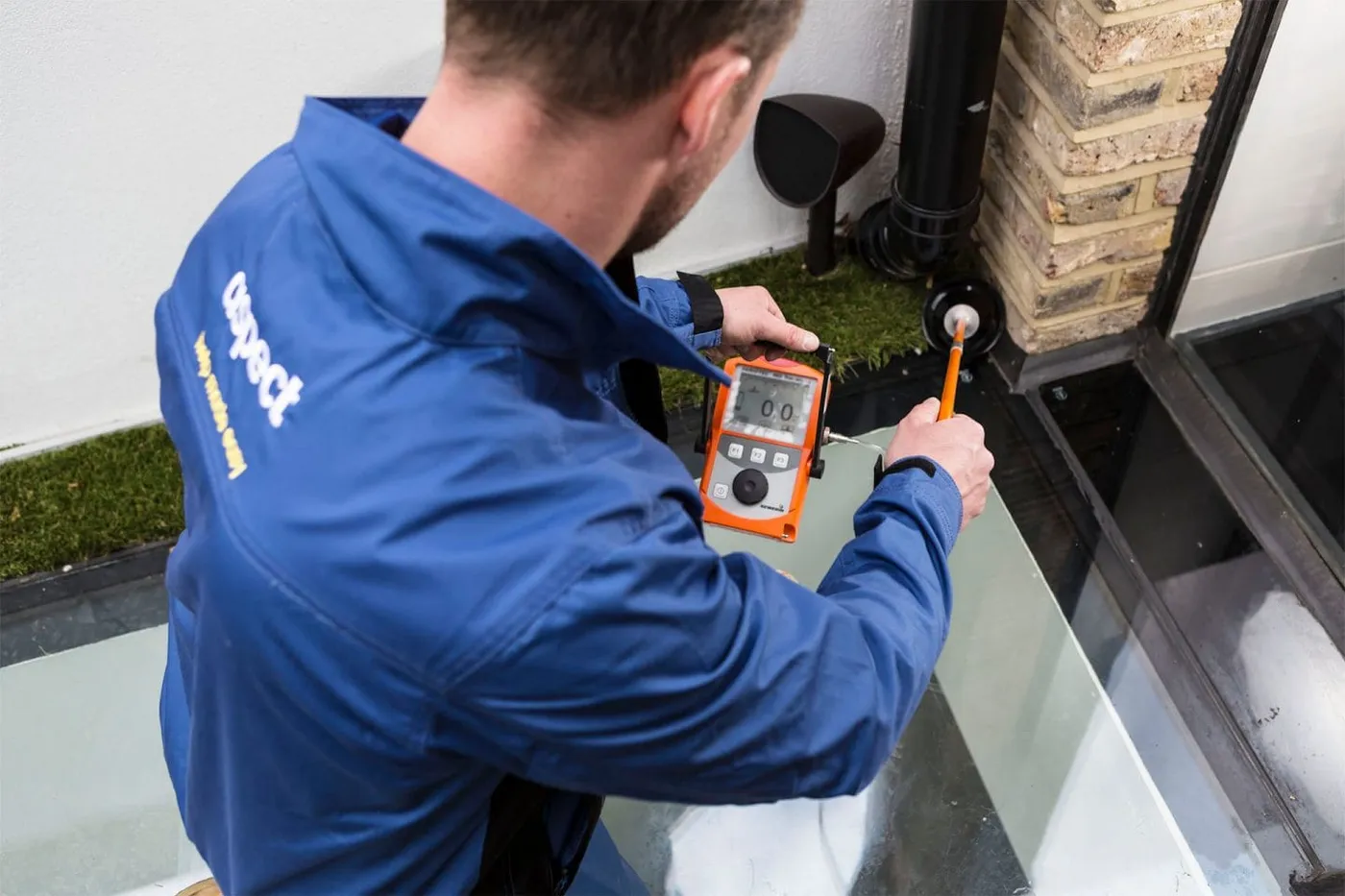
While both address water issues, a leak detection specialist employs advanced, non-invasive technology to pinpoint leaks with precision, whereas a plumber focuses on repair and installation.
The Core Distinction: Diagnosis vs. Repair
The fundamental difference lies in primary function. A general plumber is a skilled tradesperson whose expertise encompasses the installation, maintenance, and repair of water supply, drainage, and heating systems. Their work is often visible and involves hands-on fixing. In contrast, a leak detection specialist is a diagnostic expert. Our primary role is to locate the precise source and cause of a water leak using advanced, often non-invasive, technologies. We find the problem so that an effective, minimally disruptive repair can be planned and executed, whether by our own teams or by your chosen plumber.
The Technological Arsenal of a Leak Detection Specialist
Our methodology is defined by precision technology that general plumbing vans typically do not carry. We employ a suite of tools designed to locate leaks without unnecessary destruction. Acoustic leak detectors amplify the sound of water escaping under pressure, allowing us to trace the noise through walls and floors. Thermal imaging cameras detect subtle temperature differences caused by moisture, revealing damp patches and water paths behind surfaces. Tracer gas detection involves introducing a safe, inert gas into pipework; highly sensitive sensors then pinpoint where the gas escapes, even through concrete slabs. This technical specificity is crucial for commercial properties and landlords, where identifying a leak's exact location saves significant time, cost, and tenant disruption.
When to Call a Specialist vs. a General Plumber
For clear, accessible issues—a leaking tap, a blocked toilet, or installing new pipework—a qualified plumber is the correct call. However, you should engage a leak detection specialist when the leak's location is not obvious. Common scenarios include a persistent damp patch with no visible source, a mysteriously high water bill suggesting a hidden leak, or moisture detection under a suspended floor or within a concrete slab. In these cases, a plumber might resort to exploratory demolition, which is costly and invasive. Our approach is to first deploy our diagnostic technology to provide a precise location, thereby containing the repair area and reducing overall restoration work.
The Value of Precision for Landlords and Commercial Clients
For landlords and commercial property managers, the distinction is particularly critical. Undiagnosed leaks lead to escalating water damage, mould growth, and potential structural issues, which translate to tenant complaints, void periods, and significant repair bills. Our precise, technology-driven service provides a clear audit trail. We deliver a report detailing the leak's location, the methods used, and often visual evidence from thermal or acoustic scans. This documentation is invaluable for insurance claims, managing contractor quotes for the repair, and maintaining asset value by ensuring fixes are targeted and complete.
In practice, many leak detection companies, including our own, also employ qualified plumbers. This allows us to offer an end-to-end service: precise location followed by expert repair. However, the core skill sets remain distinct. Understanding when to call for advanced diagnostics ensures the most efficient, cost-effective, and least disruptive resolution to any water leak issue.
Frequently asked questions
Can't a plumber with a moisture meter find any leak?
A basic moisture meter only confirms the presence of dampness, not the leak's origin. Water can travel far from the source. Our specialists use complementary technologies like acoustic listening devices and thermal imaging to trace the water path back to the precise breach point, which is essential for a correct repair.
Is leak detection specialist services more expensive than calling a plumber first?
While there is an initial diagnostic cost, engaging a specialist for a hidden leak often saves money overall. By preventing unnecessary exploratory damage and ensuring the repair is correctly targeted the first time, you avoid repeat visits, extensive make-good works, and prolonged water damage.
Do you need to break through floors or walls to locate a leak?
A core principle of specialist leak detection is non-invasive location. We use technologies like tracer gas, acoustic correlation, and thermal imaging to pinpoint leaks from the surface. The goal is to provide a precise location so any necessary access is minimal, controlled, and cost-effective.