How to Tell if a Water Leak Is New or Old: A Technical Guide
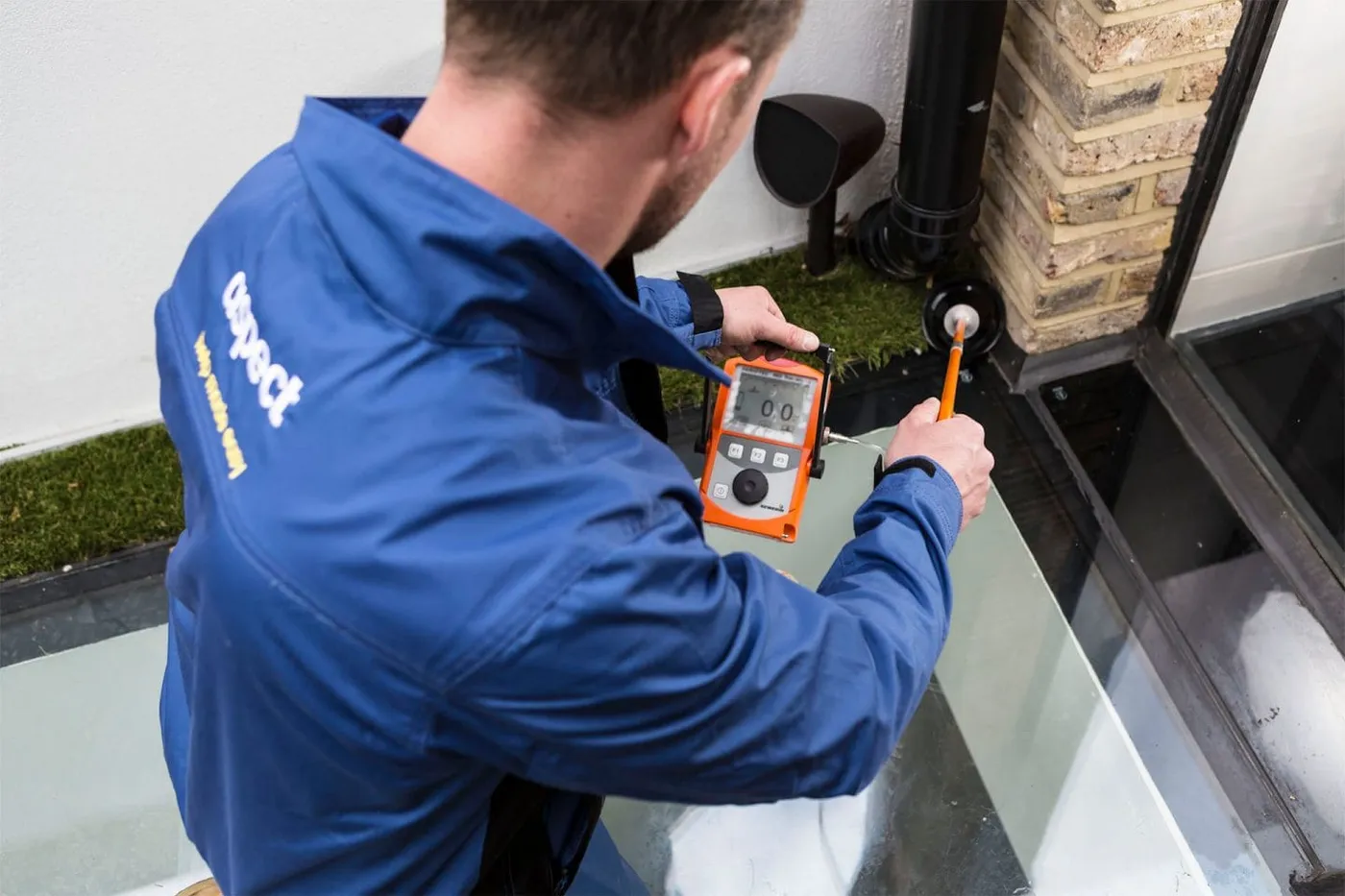
Our engineers explain the forensic signs that differentiate a fresh leak from a long-term, concealed one, helping you assess damage and plan an effective response.
Forensic Indicators of Leak Age
Determining whether a water leak is recent or established is a critical first step in our diagnostic process. For landlords and commercial property managers, this assessment directly informs the urgency of repair and the potential scope of associated damage. While only a professional inspection can provide a definitive answer, several observable signs can indicate the leak's timeline.
A fresh leak, often resulting from a sudden pipe failure or fitting separation, typically presents with actively flowing water. The moisture will appear clear and may be under pressure, following the path of least resistance. Surrounding materials, such as timber or plasterboard, will show initial signs of saturation but lack the prolonged water staining, mould colonies, or structural softening characteristic of older leaks.
Analysing Water Staining and Material Degradation
Conversely, evidence of a long-term, often slow leak is more subtle and requires closer inspection. A key indicator is the presence of concentric water staining, often called a 'tide mark'. These are layered, ring-like stains on ceilings or walls where moisture has repeatedly wet and dried, depositing minerals and debris from the water. The darkest ring typically indicates the current watermark's high point.
Material integrity provides another clear signal. Prolonged moisture exposure causes timber to swell, warp, and eventually rot, becoming soft and spongy to the touch. For plaster and plasterboard, chronic dampness leads to crumbling, bubbling, or a chalky disintegration. Established mould growth—beyond small, isolated spots—also suggests a moisture issue persisting for weeks or months, as most moulds require sustained humidity to establish significant colonies.
Our engineers also examine mineral deposits. In areas with hard water, a white, limescale-like crust around a leak point signifies repeated wetting and evaporation over an extended period. Similarly, rust stains on pipes or surrounding fixtures indicate that corrosion has been underway for some time, a process that doesn't occur instantly.
Integrating Technical Leak Detection
While visual and tactile clues are informative, they often only reveal the secondary damage, not the leak's primary source or full history. This is where our technical methodologies provide conclusive data. Acoustic leak detection can pinpoint the precise location of a pressurised leak within a pipe, but the sound profile itself can sometimes indicate the leak's nature—a sharp, high-frequency hiss may suggest a newer pinhole leak, while a broader, lower-frequency sound could indicate a more eroded opening.
Thermal imaging cameras are particularly valuable for mapping moisture spread within structures. They can reveal damp patches hidden behind walls or under floors, and the temperature differential and pattern can help distinguish between a recent, localised wet spot and a large, cool area of entrenched dampness that has thermally equilibrated with its surroundings. Tracer gas testing and moisture meter profiling further allow us to trace leak paths and measure the moisture content in materials quantitatively, building a data-rich picture of the leak's duration and impact.
Ultimately, correlating visual evidence with data from our non-invasive tools allows us to construct an accurate timeline. This technical assessment is essential for landlords to understand not just the immediate repair needed, but also the potential for concealed structural compromise and the full scope of necessary remediation work.
Frequently asked questions
Can a small leak cause significant damage if it's old?
Absolutely. A small, slow leak that has persisted for months or years can lead to extensive concealed damage, including structural timber rot, mould infestations within cavities, and the deterioration of plaster and insulation. The visible signs are often the final manifestation of a long-term problem.
What is the first thing I should do if I suspect a hidden leak?
First, isolate the water supply to the suspected area if possible, such as turning off isolation valves. Then, document any visible signs like stains, mould, or dampness. Avoid disturbing the area, as this can complicate professional diagnosis. Contact a leak detection specialist who uses acoustic, thermal, and moisture-probing technology to locate and assess the leak without unnecessary destructive searching.
Why is professional leak detection preferred over manual searching for an old leak?
Manual searching often involves destructive trial-and-error, which increases repair costs and disruption. Professional leak detection uses precise, non-invasive technology like thermal imaging and acoustic correlators to locate the exact source and map the moisture spread. This provides a definitive diagnosis of the leak's origin and extent, informing a targeted and efficient repair strategy, which is crucial for managing repair budgets and tenant disruption.