How to Find a Leak in a Copper Pipe: Methods & Technical Guide
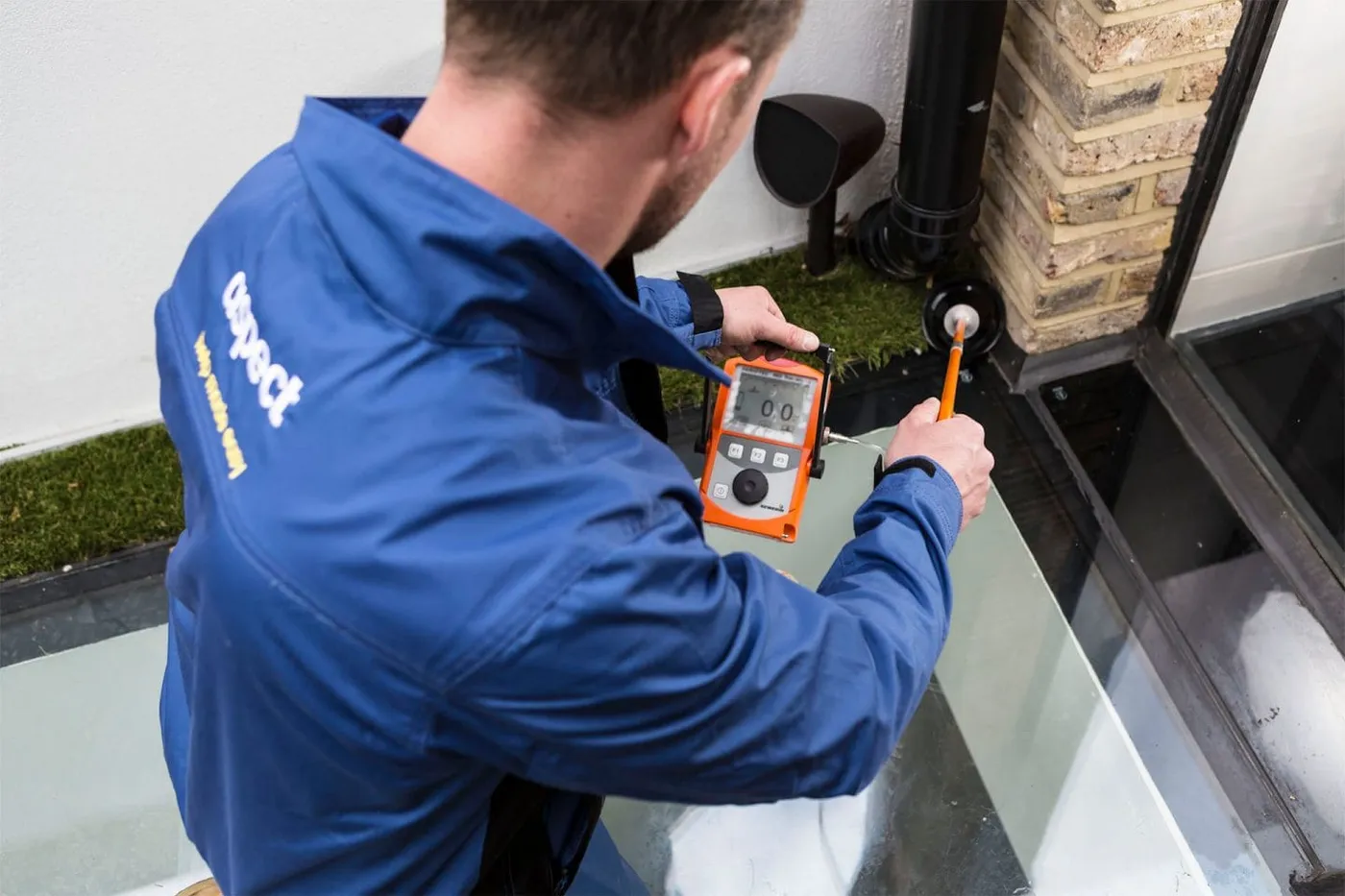
A technical guide detailing the precise methods our engineers use to locate leaks in copper pipe systems, from pressure testing to advanced electronic detection.
Technical Methods for Copper Pipe Leak Detection
Copper pipework is a reliable material, but over time, pinhole leaks can develop due to pitting corrosion, water chemistry, or physical damage. Pinpointing the exact location of a leak without causing unnecessary damage requires a methodical, technology-driven approach. Our engineers employ a hierarchy of diagnostic techniques, escalating in precision to minimise disruption and ensure an accurate repair.
Systematic Pressure Testing and Acoustic Listening
The first step in isolating a copper pipe leak is often a static pressure test. We isolate sections of the plumbing system and pressurise them with air or water, monitoring for pressure drops that confirm a leak's presence and general area. Following this, we use advanced acoustic listening equipment. This technology amplifies the distinct high-frequency hiss of water escaping under pressure. By moving a ground microphone or a contact probe along the pipe's suspected path, our technicians can often trace the sound to its loudest point, which corresponds to the leak's epicentre, even through concrete or behind plasterboard.
Advanced Non-Invasive Imaging Technologies
When acoustic methods are inconclusive or the leak is suspected to be under a solid floor, we deploy thermal imaging cameras. These devices detect minute temperature differences caused by escaping water. A leak from a hot water copper pipe will create a distinct thermal pattern, while a cold water leak can sometimes be visualised after running water to create a temperature differential. For complex commercial installations or to map pipe routes before invasive work, we may also use pipe and cable locators. These tools emit a signal along the copper pipe, allowing us to trace its exact path and depth, ensuring any investigative opening is made with surgical accuracy.
In specific scenarios, such as with pressurised heating systems or concealed leaks in screed, we utilise tracer gas detection. An inert, non-flammable gas mix is introduced into the pipework. This gas, which is highly sensitive to our electronic gas detectors, will permeate through even the smallest leak and escape to the surface. By scanning floor surfaces or wall junctions with the detector, we can pinpoint the exact exit point of the gas, and thus the leak location, with exceptional precision.
Correlation Analysis for Pressurised Mains
For leaks on pressurised mains supply pipes, particularly in commercial settings, we employ electronic leak noise correlators. Two sensors are attached to the pipe at access points either side of the suspected leak. The equipment measures the time difference for the sound of the leak to reach each sensor. Using the known acoustic velocity in copper, the correlator's software calculates the exact distance to the leak. This method is highly effective for locating leaks under car parks, driveways, or landscaped areas without unnecessary excavation.
Our process is designed for landlords and commercial property managers who require definitive answers and minimal operational downtime. By leveraging this suite of technologies, we transition from knowing there is a leak to knowing its precise coordinates, enabling a targeted, cost-effective repair that preserves the integrity of the building fabric.
Frequently asked questions
Can a small leak in a copper pipe be detected without breaking walls or floors?
Yes, absolutely. Our primary objective is non-invasive detection. We use technologies like thermal imaging, acoustic listening devices, and tracer gas detection to locate leaks from the surface. Excavation or opening of surfaces is only considered once the leak's location is precisely identified, and even then, it is a targeted, minimal opening.
What causes pinhole leaks in copper pipes, and how does this affect detection?
Pinhole leaks are often caused by localised pitting corrosion, which can be influenced by water pH, high flow velocities, or micro-organisms in the water. From a detection standpoint, these leaks can be exceptionally small and quiet, which is why we use highly sensitive acoustic amplifiers and tracer gas, as these methods are designed to find even the most minor escapes of water or gas.
Why is pressure testing a critical first step in your leak detection process for copper pipes?
A static pressure test confirms the presence of a leak and helps us isolate it to a specific section of the plumbing system—for example, the hot water circuit, cold water mains, or a particular zone. This systematic isolation saves significant diagnostic time and allows us to select the most appropriate and precise follow-on technology, such as thermal imaging for hot water lines or correlation for pressurised mains.