Hot Water Cylinder Leaking: Immediate Steps & Technical Detection
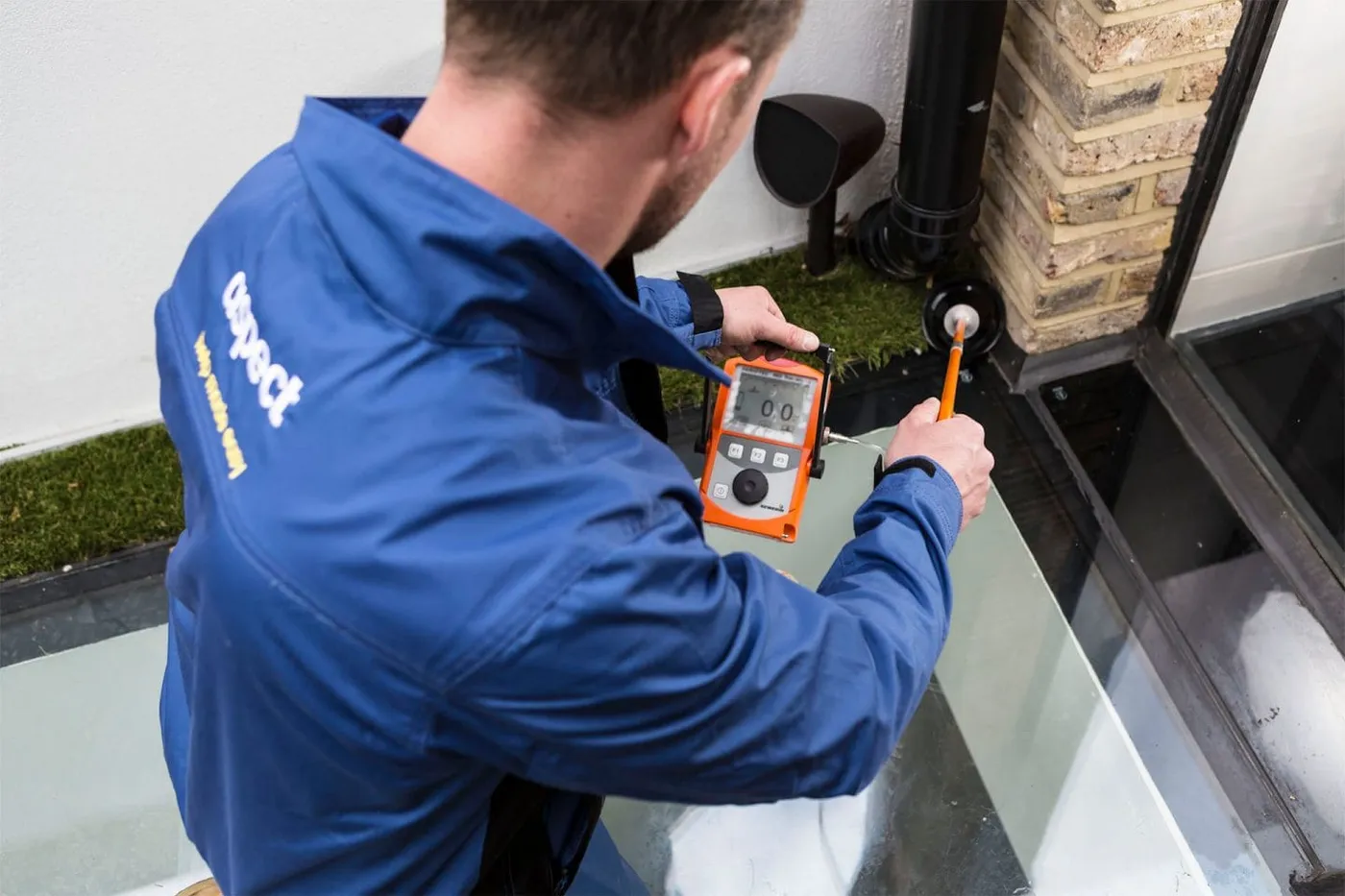
A leaking hot water cylinder demands a precise, technical response to minimise water damage and system failure. This guide outlines the immediate isolation protocol and advanced diagnostic methods our engineers employ.
Immediate Technical Isolation Protocol
Upon discovering a hot water cylinder leak, immediate and systematic isolation is critical to prevent extensive water damage and potential electrical hazards. First, locate and switch off the electrical supply to the immersion heater at the fuse board or consumer unit. For systems with a boiler-fed indirect cylinder, shut down the boiler and pump. Next, isolate the cold water feed. This is typically a gate valve or lever valve on the pipe leading into the bottom of the cylinder. Turn it clockwise until fully closed. Finally, open a hot tap at a sink to depressurise the system, relieving any remaining pressure in the cylinder and pipework. This sequence halts the water ingress and creates a safe environment for inspection.
Diagnosing the Source: Pressure Systems & Common Failure Points
Accurate diagnosis requires understanding the cylinder's pressure regime. Mains-pressure cylinders (unvented) operate under significant pressure, meaning even a small leak from a valve, joint, or the vessel itself can be aggressive. Traditional vented cylinders, fed from a cold water tank, exhibit lower pressure but are prone to corrosion at the anode rod boss, around the immersion heater flange, or along seam welds. Our engineers perform a meticulous visual and tactile inspection of all fittings: the temperature and pressure relief valve (TPRV) discharge pipe, the expansion vessel connection, drain valves, and all inlet/outlet unions. We often employ electronic listening devices to pinpoint the precise origin of a drip or hiss within lagging or cabinetry, a crucial step before any dismantling.
For suspected internal vessel failure, non-invasive assessment is key. We use thermal imaging cameras to identify anomalous temperature gradients that can indicate a breach or internal bypass. This technology allows us to map the extent of potential corrosion or limescale buildup without physical intrusion. Similarly, ultrasonic thickness gauging can assess the integrity of the cylinder wall if accessible, providing data on metal loss. These methods are particularly valuable in commercial settings where system downtime must be minimised and failure forecasts are required for asset management.
Advanced Leak Detection & Resolution Pathways
When the leak source is ambiguous or concealed, we deploy more sophisticated leak detection technology. Tracer gas detection, using a harmless hydrogen-nitrogen mix, is highly effective for pressurised systems. The gas, injected into the drained cylinder, escapes at the leak point and is detected by a sensitive probe, even through insulation or floorboards. This method delivers definitive location accuracy for complex installations. The resolution pathway depends entirely on this diagnostic data. A failed valve or joint seal can often be rectified in situ. However, corrosion at the cylinder body, particularly around welded seams or the base, typically necessitates replacement. For unvented systems, any work on the vessel or safety devices must be performed by G3 qualified engineers due to the inherent safety risks.
Post-repair, a comprehensive system recommissioning and test are non-negotiable. This includes a full pressure test, verification of all safety device operations (especially the TPRV), and a check for secondary leaks introduced during the repair process. For landlords and facility managers, we provide a detailed technical report documenting the fault, the diagnostic evidence, the repair methodology, and any recommendations for preventive maintenance, such as anode replacement schedules or water quality treatment.
Frequently asked questions
Can a leaking hot water cylinder be repaired, or must it always be replaced?
The decision hinges on the leak's origin and the cylinder's condition. Leaks from replaceable components like valves, immersion heater gaskets, or pipe unions are often repairable. However, corrosion or failure of the cylinder vessel itself, particularly on older units, usually necessitates a full replacement. Our engineers use non-invasive diagnostics like thermal imaging to assess vessel integrity and provide a definitive, evidence-based recommendation.
What are the specific risks of ignoring a leak from an unvented (mains-pressure) cylinder?
Ignoring a leak on an unvented system carries significant technical risks. The constant high pressure can rapidly worsen a small leak, leading to substantial water damage. More critically, it may indicate a failure in the pressure relief system, which is a fundamental safety mechanism. Continuous water loss can also cause the heating element to run dry and overheat. These systems are legally required to be maintained by G3 qualified engineers due to these inherent safety-critical factors.
How do your engineers locate a leak that isn't visibly obvious, such as within insulation or under flooring?
We employ a suite of non-invasive detection technologies. Acoustic listening devices amplify the sound of water escaping under pressure. Thermal imaging cameras visualise temperature differences caused by escaping warm water or a wet patch cooling. For definitive pinpointing, especially on drained systems, tracer gas detection is highly effective. A harmless tracer gas is introduced, and our sensitive probes detect its escape path with high precision, even through materials like concrete or lagging, minimising destructive investigation.