Damp Patch on Ceiling: A Technical Guide to Source Identification & Resolution
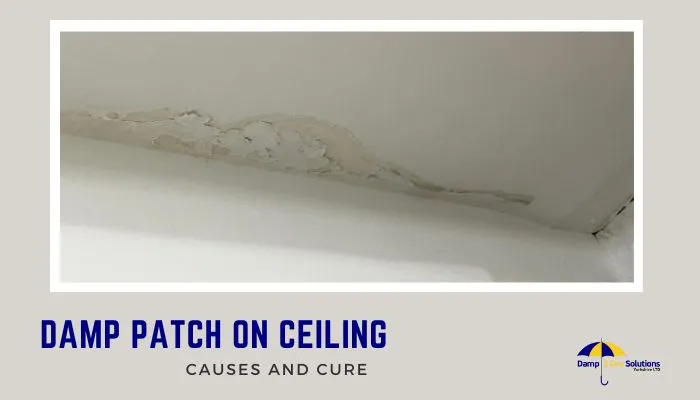
A damp patch on a ceiling requires systematic diagnosis. We outline the technical process for pinpointing water ingress sources, from thermal imaging surveys to pipe pressure testing.
Systematic Diagnosis of Ceiling Dampness
A damp patch on a ceiling is a symptom, not a diagnosis. For property managers and landlords, the imperative is to identify the exact source of water ingress before initiating repairs. Misdiagnosis leads to repeated damage, tenant disruption, and unnecessary costs. Our methodology follows a forensic, non-invasive to invasive sequence, prioritising accuracy and minimising destructive investigation.
Technical Detection Methods for Precise Source Identification
The initial assessment often begins with visual and tactile inspection, noting the patch's location relative to plumbing fixtures, external walls, and roof lines. However, the visible stain is rarely directly below the leak due to water tracking along pipes, joists, or ceiling membranes. We employ a suite of diagnostic technologies to trace this path. Thermal imaging cameras are invaluable for mapping temperature differentials caused by evaporative cooling from dampness, often revealing the extent of saturation and the likely origin point behind finishes.
For suspected plumbing leaks within pressurised systems, we utilise electronic leak detection and acoustic listening devices to pinpoint the sound of water escaping from pipes under pressure. Where accessible, moisture meters provide quantitative data on the moisture content in materials, confirming the perimeter of affected areas. In complex cases, a trace gas test—introducing a detectable, inert gas into a drained pipe system—can identify even the smallest breach with high precision.
Common Source Pathways and Targeted Intervention
The source typically falls into three categories: plumbing, condensation, or external ingress. A patch central to a room but below a bathroom often points to failed shower tray seals, leaking waste pipes, or compromised supply lines to upstairs fixtures. Patches near external walls may indicate faulty roofing, blocked gutters, or defective pointing. Persistent condensation from inadequate ventilation can mimic a leak but requires a different solution.
Once our investigation isolates the source, the repair strategy becomes targeted. This may involve a localised access panel to repair a joint, re-sealing a sanitary fitting, or coordinating with roofing specialists. Crucially, we ensure the area is thoroughly dried using professional-grade dehumidifiers to prevent mould growth and structural degradation before making good. This technical, evidence-based approach provides a permanent resolution, protecting your asset's value and compliance.
Frequently asked questions
Can a small damp patch indicate a serious leak?
Yes. A small, localised stain can be the only visible sign of a significant, ongoing leak within a pressurised pipe or a slowly failing seal. The water may be accumulating in a cavity or along a beam, with the patch appearing only once saturation reaches a certain point. Professional investigation is advised to assess the full scope.
What is the advantage of thermal imaging over a visual inspection?
Thermal imaging provides a non-invasive map of surface temperature variations. Evaporating moisture cools materials, making the full extent of water migration—often hidden behind plasterboard or ceilings—visible as a cooler area. This allows our engineers to hypothesise the leak origin with much greater accuracy before any physical intrusion.
Should I repair the ceiling immediately after fixing the leak?
No. It is critical to allow the affected structural materials (joists, plasterboard, insulation) to dry completely to a safe moisture content first. Premature sealing traps moisture, leading to mould, rot, and odour. We use hygrometers and industrial dehumidifiers to verify dryness before any reinstatement work.