Precision Response to Blocked Drain Emergencies in London
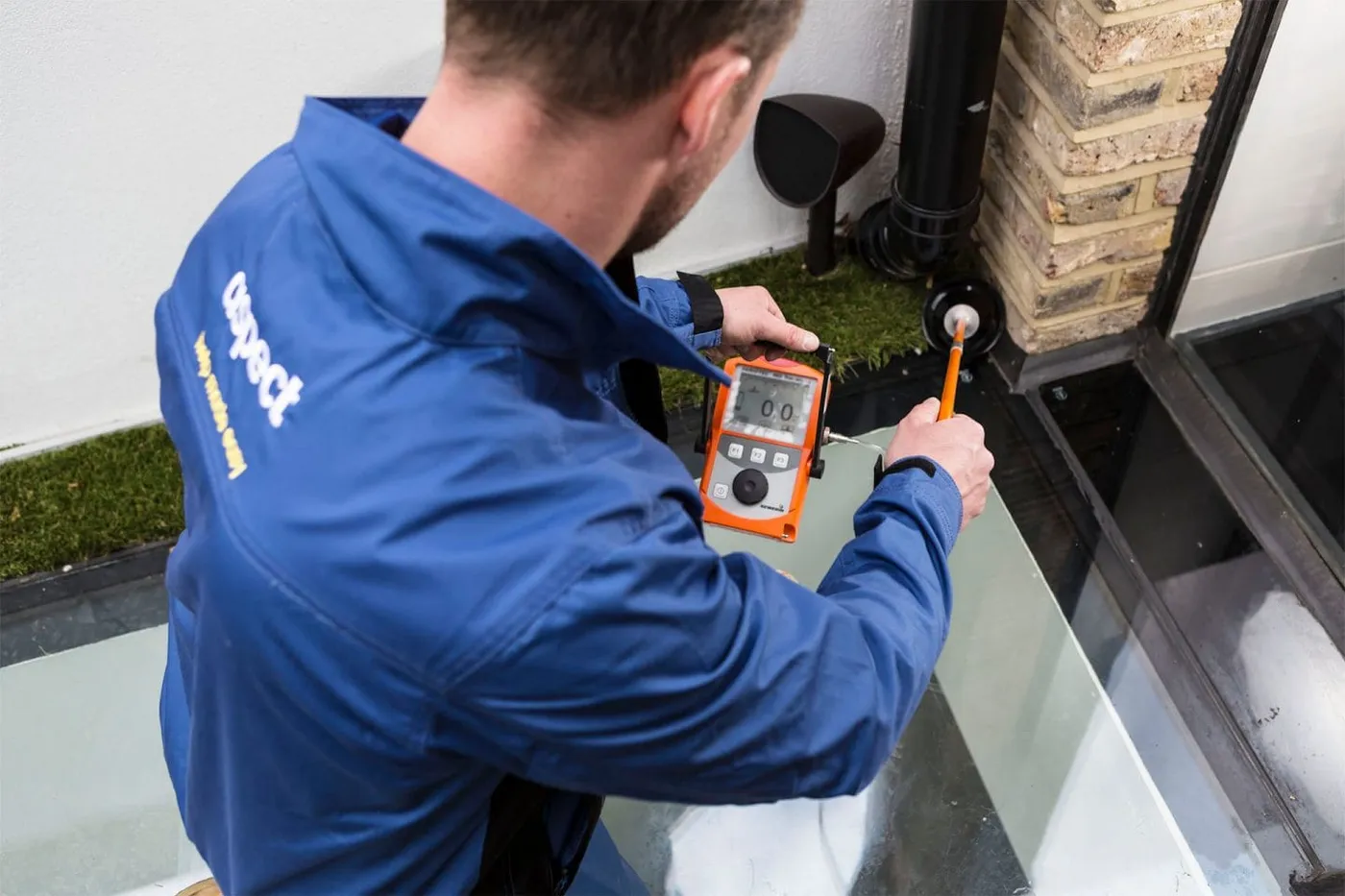
A blocked drain emergency demands a precise, technical response. We detail the CCTV survey and high-pressure jetting methods our engineers deploy for definitive clearance.
The Technical Imperative for Blocked Drain Diagnosis
A blocked drain in a London property is more than an inconvenience; it is a system failure requiring precise diagnostic intervention. For landlords and commercial property managers, an unresolved blockage risks escalating damage, tenant disruption, and potential regulatory non-compliance. Our emergency response pivots on a core principle: accurate diagnosis precedes effective remediation. We avoid speculative clearance methods, which can be ineffective or even damaging to older pipework. Instead, our engineers deploy a methodical, technology-led approach to identify the exact nature, location, and cause of the obstruction.
Deploying CCTV Drain Survey Technology
The cornerstone of our precision response is the CCTV (Closed-Circuit Television) drain survey. Upon arrival, our engineers will typically conduct a rapid visual assessment before inserting a flexible, push-rod camera into the affected drain line. This camera transmits high-resolution footage in real-time to a monitor, allowing for immediate visual confirmation of the blockage's composition—be it solidified fat, root intrusion, structural collapse, or a foreign object. The camera is equipped with a sonde (transmitter) that provides precise depth and lateral location data, often accurate to within centimetres. This step transforms an emergency call-out from a guessing game into a targeted operation. For landlords, the recorded survey provides a definitive audit trail, useful for resolving liability issues or planning preventative maintenance.
Following precise identification, the clearance method is selected based on the technical data gathered. For organic blockages like fatbergs or root masses, high-pressure water jetting is the primary tool. Our jetting units propel water at pressures calibrated to the pipe diameter and material, slicing through obstructions and scouring the pipe walls without abrasion. The nozzle is designed to propel itself forward, ensuring the jetting force is applied directly to the blockage. For more resilient obstructions, such as concrete ingress or collapsed sections, mechanical extraction tools or sectional point repair may be necessary—a decision informed entirely by the CCTV evidence.
Post-Clearance Verification and Reporting
A critical, yet often overlooked, phase in a blocked drain emergency is post-clearance verification. Simply restoring flow is not a definitive sign of a fully resolved system. Our engineers will perform a follow-up CCTV survey post-clearance to confirm the entire diameter of the pipe is clear and to inspect the condition of the pipe walls for any collateral damage or underlying defects that may cause future issues. This final survey is integral to our technical axis. We provide a detailed report, including time-stamped footage and images from before, during, and after the clearance. For commercial clients and landlords, this documentation is vital for asset management, demonstrating due diligence, and planning long-term drainage maintenance schedules to prevent recurrent emergencies.
This precise, evidence-based methodology ensures the emergency is resolved not just temporarily, but with an understanding of the root cause. It minimises disruption by avoiding repeated visits and protects your property's infrastructure by using the correct, non-destructive technique for the specific problem identified.
Frequently asked questions
Why is a CCTV survey necessary for a simple blocked drain?
A CCTV survey is the only method that provides definitive visual evidence of the blockage's cause and location. Without it, clearance is speculative. For landlords and commercial properties, this evidence is crucial for preventing repeat blockages, identifying underlying pipe defects, and providing documentation for maintenance records or liability purposes.
What are the advantages of high-pressure water jetting over traditional rodding?
High-pressure water jetting offers a precise, non-abrasive clearance method. Unlike rodding, which can sometimes compact obstructions or damage pipe joints, jetting cuts through blockages like fat and roots while simultaneously scouring the pipe walls to restore full diameter. The pressure and nozzle type are selected based on the pipe material and diameter observed in the CCTV survey, making it a targeted technical solution.
Do you provide documentation after clearing a blocked drain emergency?
Yes. Following our technical protocol, we provide a detailed report that includes key footage and still images from the diagnostic and post-clearance CCTV surveys. This report documents the nature of the blockage, the location, the method of clearance used, and the final condition of the pipe. This is essential for commercial property compliance and landlord asset management.